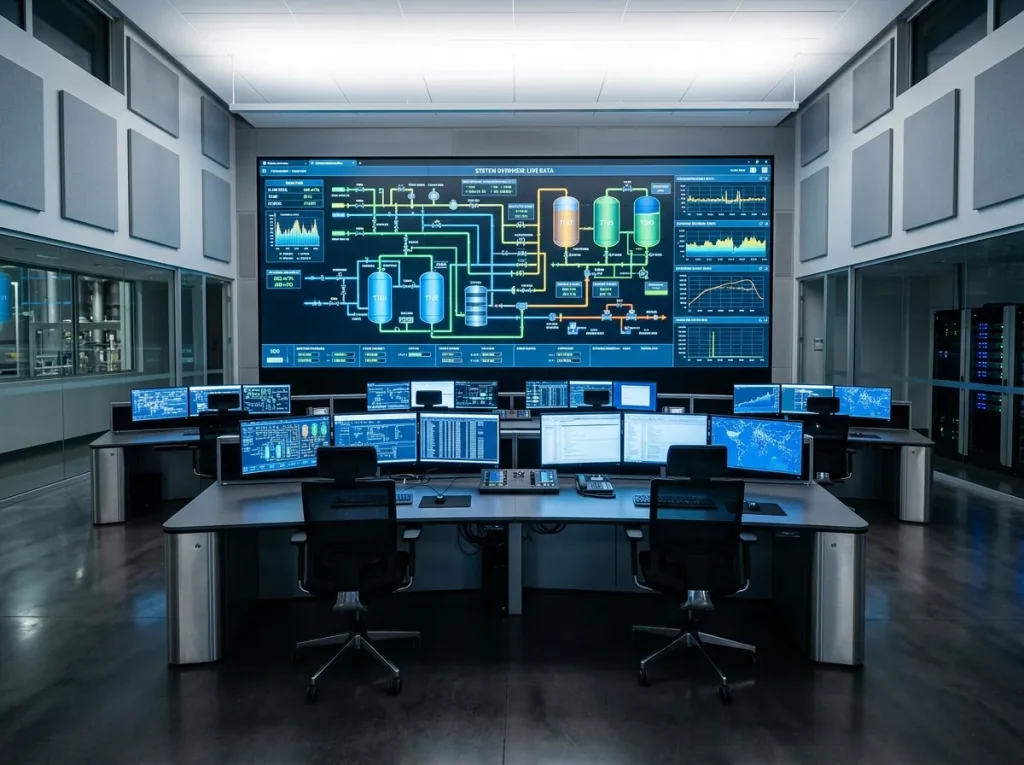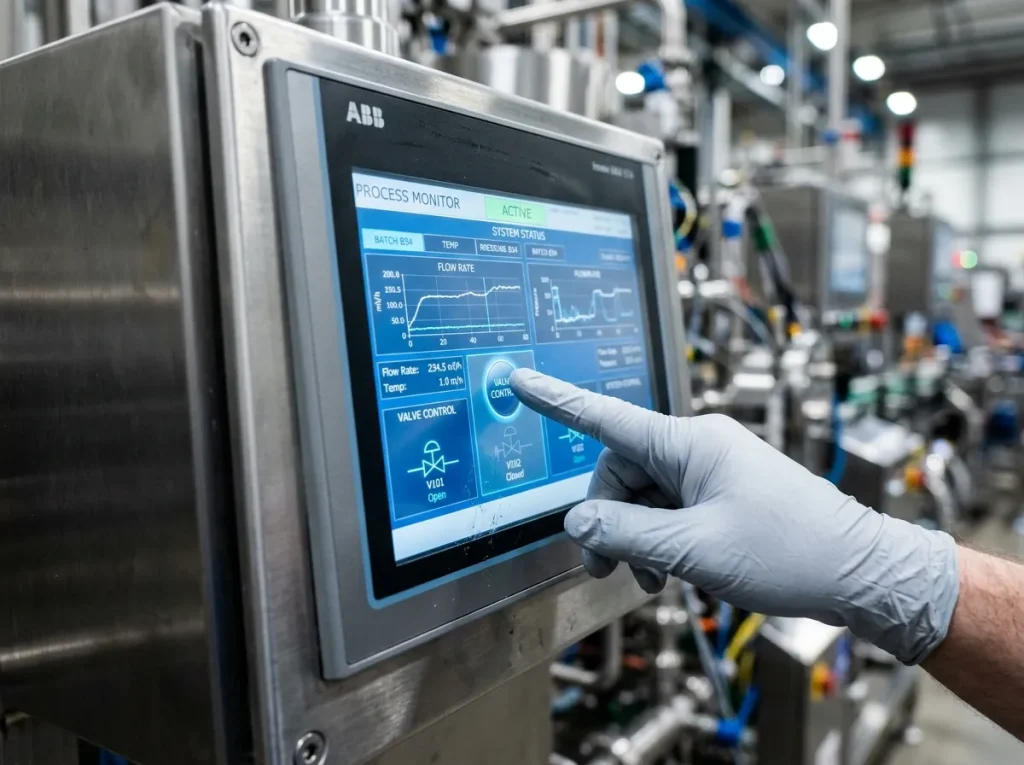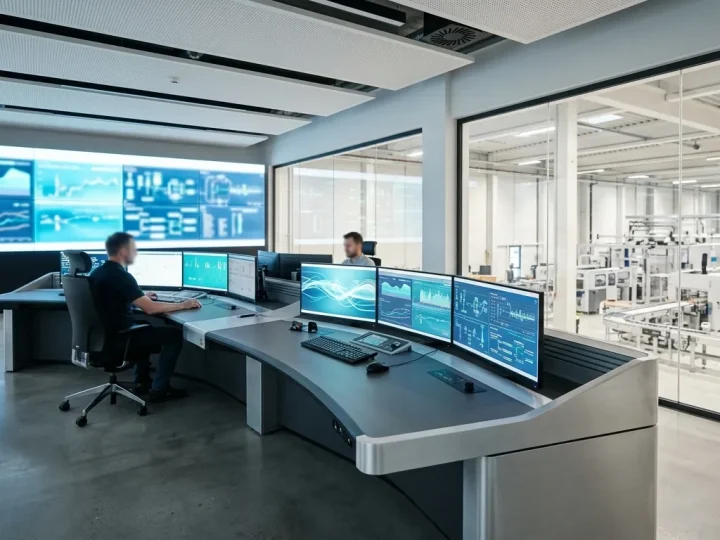

SCADA (Supervisory Control and Data Acquisition) is a control system used in a range of industries, including manufacturing, energy, telecommunications, water and wastewater. SCADA applications make it possible to monitor, control and collect data from many remote locations from a central control room.
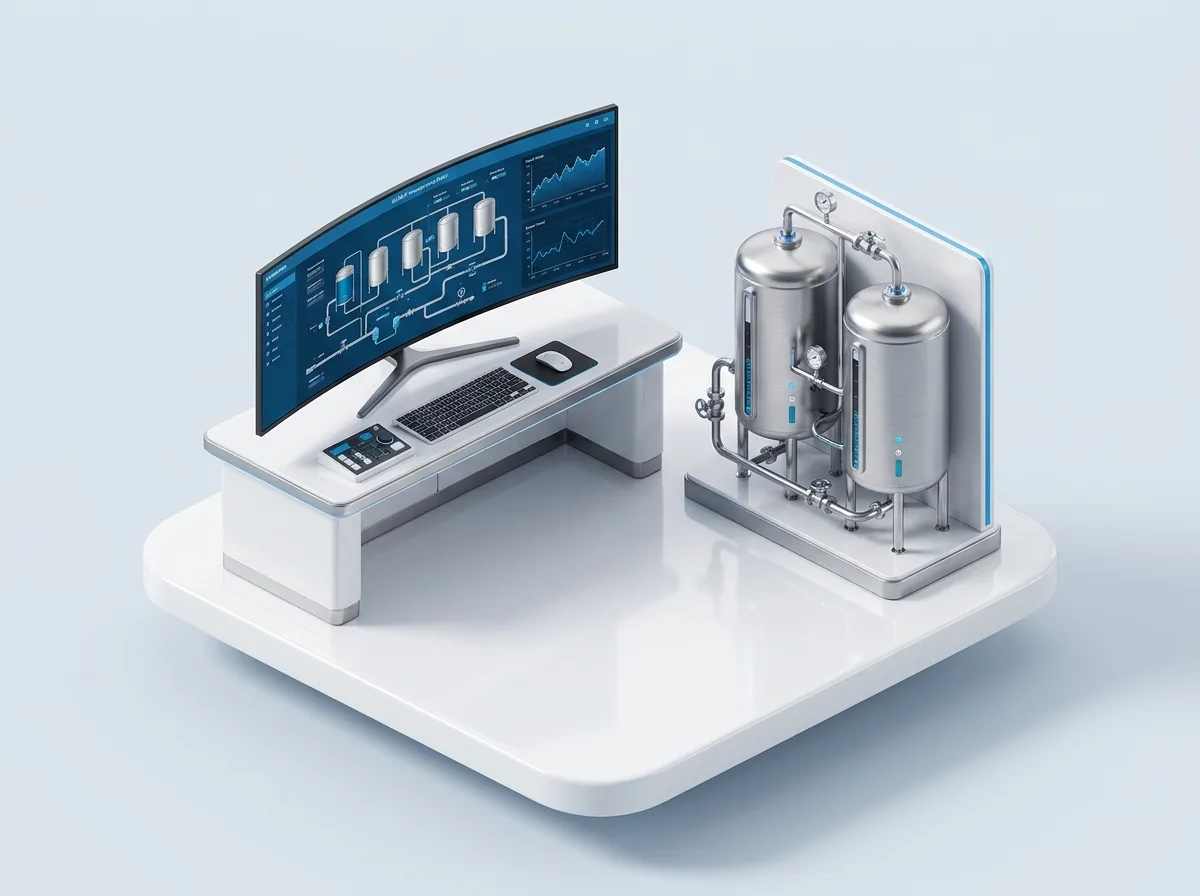
SCADA helps companies control their processes and makes operations more efficient. SCADA systems consist of various components such as sensors and devices. Sensors collect measured data and transmit it to the SCADA software, which analyzes the collected data and presents the results to users in an easy-to-understand format.
Thanks to real-time data monitoring and control, SCADA systems are very useful for detecting problems on the production line. For example, when a sensor detects a fault, the SCADA software displays an alert, and plant personnel can take the necessary steps to identify the cause and resolve it. This allows plant personnel to intervene in time and prevent inefficiencies in production processes.
SCADA systems are also very useful for monitoring and controlling a company’s energy, water and wastewater usage. For example, SCADA systems can track the use of water resources, control treatment systems and measure the impact of wastewater. This enables companies to manage their resources efficiently to achieve their sustainability goals.
In conclusion, SCADA systems are an important technological tool for making industrial operations more efficient and effective. They offer a range of benefits, including increased efficiency, better resource utilization and the achievement of sustainability goals.